Designing For Scientists
Products
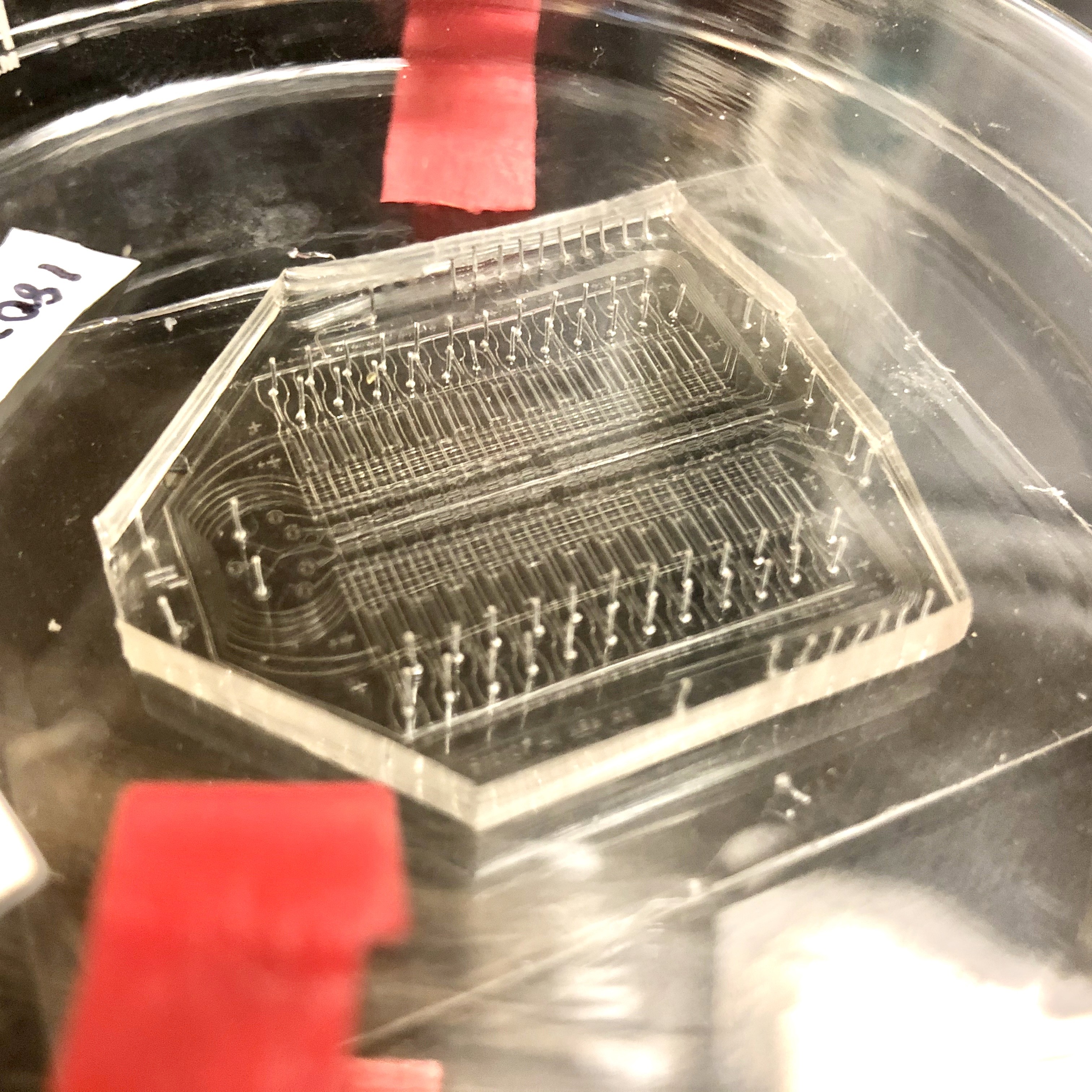
At UEC labs, I designed an ecosystem of bespoke hardware and software tools used for genome sequencing. These products were built for high-precision environments and have since been adopted by world-class institutions, including Stanford and NASA.
Problems
In a lab, the cost of UX debt is spoiled experiments. I saw firsthand how poor design took an emotional and financial toll on the lab and on our scientists.
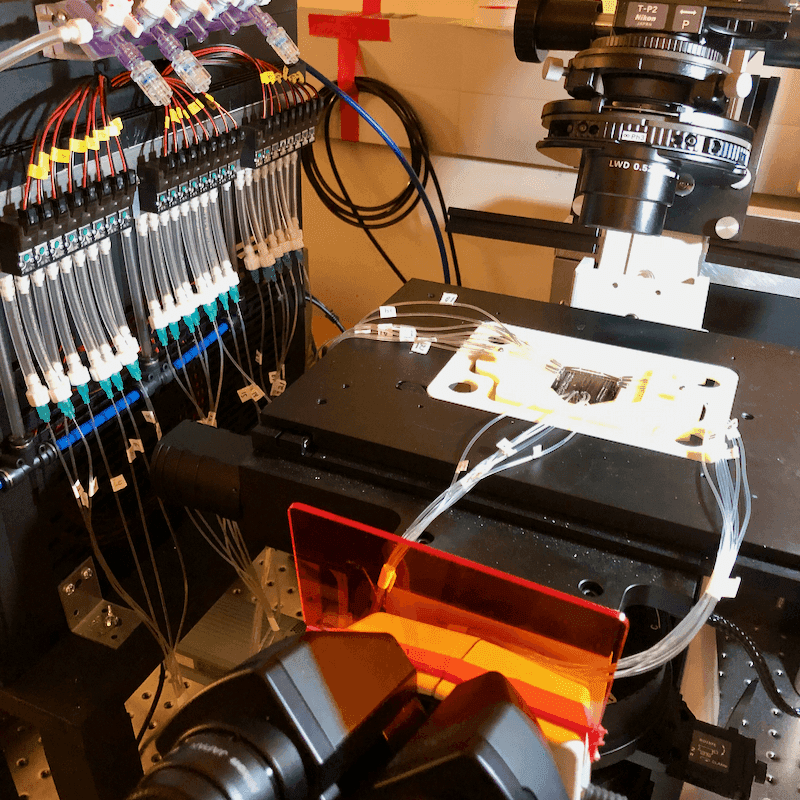
Designing for this space required accounting for extreme environmental constraints. Scientists often worked in near-darkness to prevent UV light from damaging bacteria samples. And tools had to be operable while wearing bulky PPE. Not to mention, every product had to fit into cluttered screens and spaces.
Methods
To truly understand the intricacies of the genome sequencing process, I did more than just shadow the scientists. I actually became one of them. By contributing to the research myself, I gained an innate understanding of the physical and cognitive load required to run these experiments. This deep immersion allowed me to identify friction points that a standard interview would have missed.
Results
By redesigning the core hardware and software UX, I achieved an overall 50% reduction in experiment times, saving up to 10 hours per session. I also virtually eliminated all "user errors" caused by poor design.
Some of the scientists stopped by to let me know that my redesigned tools eliminated chronic hand pain for the lab staff. This is actually the crowning achievement of my design career.
Solutions
Let's take a look at my innovative spin coater design. A spin coater is used to spin liquid epoxy into an even layer that's only nanometers thick. Most modern spin coaters use touchscreens, requiring users to program phases of speed and duration before they hit start. However, external variables like humidity, air temperature, and UV levels can change mid-process, often ruining the epoxy mid-spin.
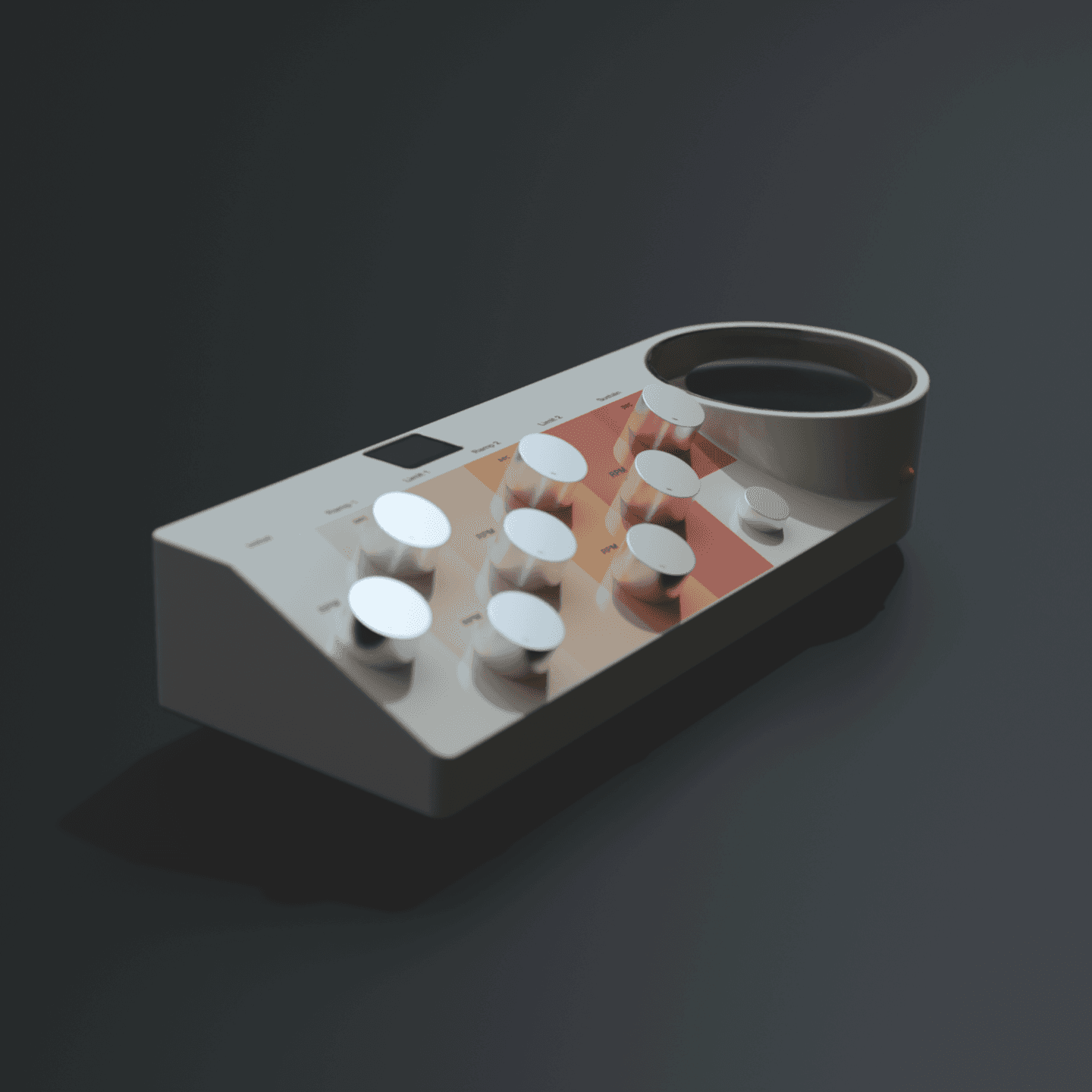
I replaced the standard touchscreen interface with physical dials. By using dials, scientists could rapidly adjust the RPMs and duration of upcoming phases on the fly based on real-time observations of the epoxy’s behavior. This tactile workaround allowed them to counter atmospheric changes without stopping the machine, saving countless hours of rework and expensive materials.